From August 8 to 14, 2025, the Peking University delegation "Silk Roads: Past and Present – Nepal and Bangladesh" conducted academic field research in Nepal and Bangladesh. The delegation included faculty and students from the International and Regional Studies program of the School of Foreign Languages at Peking University, as well as participants from two research projects: the key project of the National Social Science Fund of China, "Theoretical and Practical Research on Cultivating Integrated, Internationalized High-End Foreign Language Talents," and the major project, "Archival Collection and Research on the 'Pacific Silk Road'." The delegation was led by Ning Qi, Vice President and Deputy Secretary of the CPC Committee of Peking University, and included Li Shujing, Secretary of the CPC Committee of the School of Foreign Languages, along with faculty and students from relevant disciplines.
Focusing on three main themes—"New Practices of China's Peripheral Diplomacy in the New Era: Centered on Nepal and Bangladesh," "Opportunities and Challenges for Chinese Enterprises along the Belt and Road," and "People-to-People Exchanges between China and Nepal/Bangladesh"—the delegation visited government agencies, universities, and think tanks. They also conducted on-site inspections of enterprise projects to gain a deep understanding of the local socio-political, economic, and cultural landscape, explore opportunities and challenges for industrial development, and identify potential areas for mutual learning and exchanges among civilizations. Through various methods such as field observations, in-depth interviews, discussions, and thematic seminars, the delegates enhanced their understanding of the national conditions of the two countries and continued to deepen the cooperation between Peking University and relevant institutions in Nepal and Bangladesh across academic, cultural, economic, and trade fields.
New Practices of China's Peripheral Diplomacy in the New Era: Focusing on Nepal and Bangladesh
On the afternoon of August 8, the delegation visited the Policy Research Institute (PRI) of Nepal. Dr. Khaga Nath Adhikari, Director of the Center for Foreign Policy and Strategic Studies at the institute and former Ambassador of Nepal to Thailand, provided a detailed introduction to the delegation regarding the institute's development history, organizational structure, core research achievements, and the outcomes of cooperation with Chinese academic institutions and think tanks in recent years. Professor Lekhnath Sharma, Executive Director of the institute, expressed a strong desire to establish academic exchanges and collaboration with Peking University. Ning Qi introduced the general information about Peking University and conveyed the willingness to work with the institute to promote people-to-people and cultural exchanges between China and Nepal. Researchers from both sides engaged in in-depth discussions on topics including regional cooperation, Nepali language teaching, and distance education, which enhanced the delegation’s understanding of Nepal’s national conditions and China-Nepal bilateral relations.
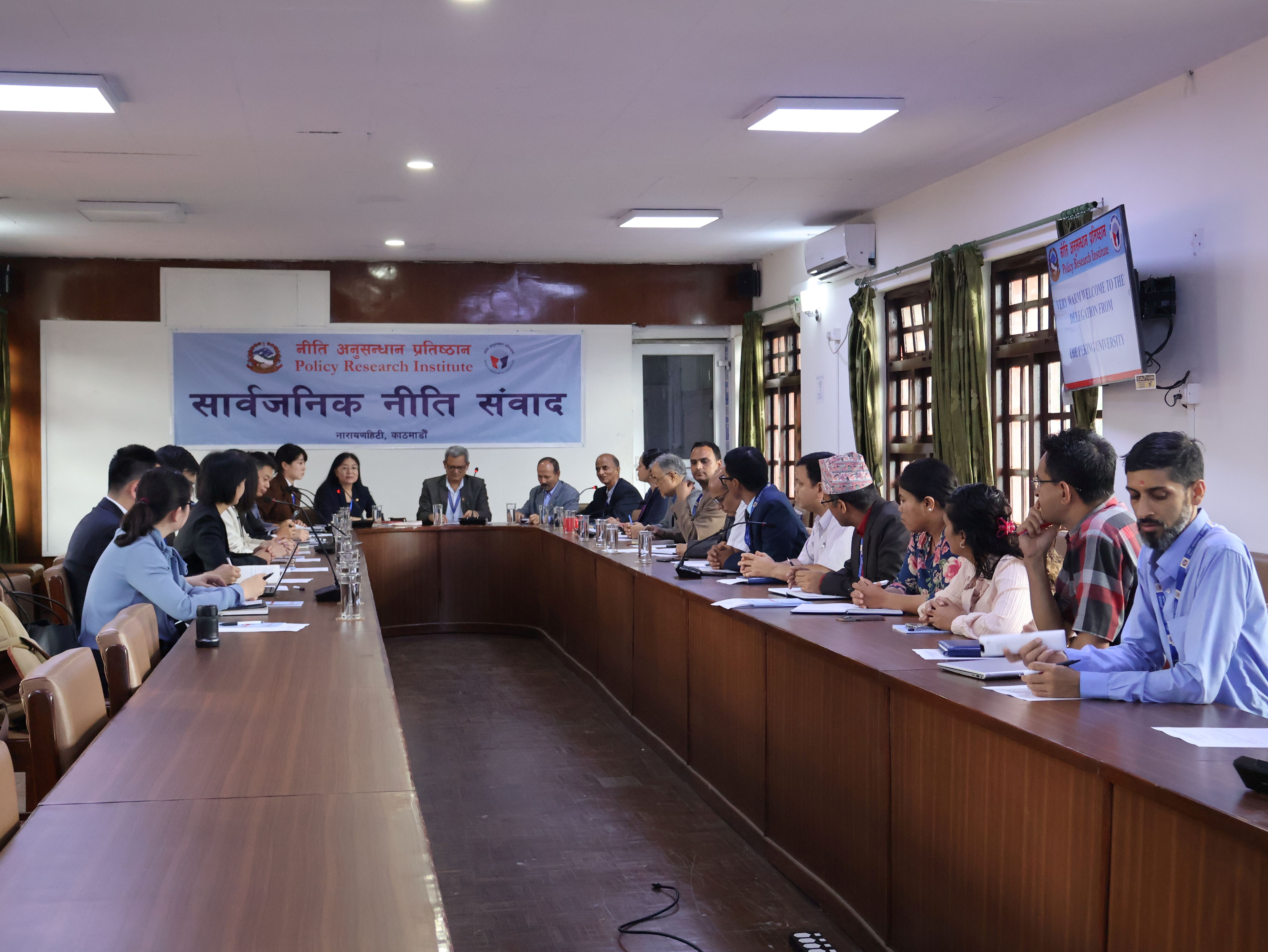
Holding a Symposium with Policy Research Institute (PRI), Nepal
Subsequently, the delegation was received by H.E. Mr. Chen Song, Ambassador to Nepal. Chen Song provided a comprehensive overview of the current progress in practical cooperation and exchanges between China and Nepal across political, economic, and cultural fields. Relating this to China's peripheral diplomacy policies and practices, he expressed earnest expectations for the academic community, encouraging the faculty and student members of the delegation to actively construct a theoretical and disciplinary systems for peripheral diplomacy with Chinese characteristics. Ning Qi thanked Ambassador Chen Song for his support of the research mission, briefed on Peking University's achievements in talent cultivation related to Nepal, academic collaboration, and high-level exchanges, and expressed the hope to deepen cooperation with relevant Nepalese institutions in areas such as student training and regional studies to jointly promote the cause of China-Nepal friendship. Delegates engaged in in-depth exchanges with Ambassador Chen on topics including people-to-people exchanges between China and Nepal, youth forums, and academic cooperation.
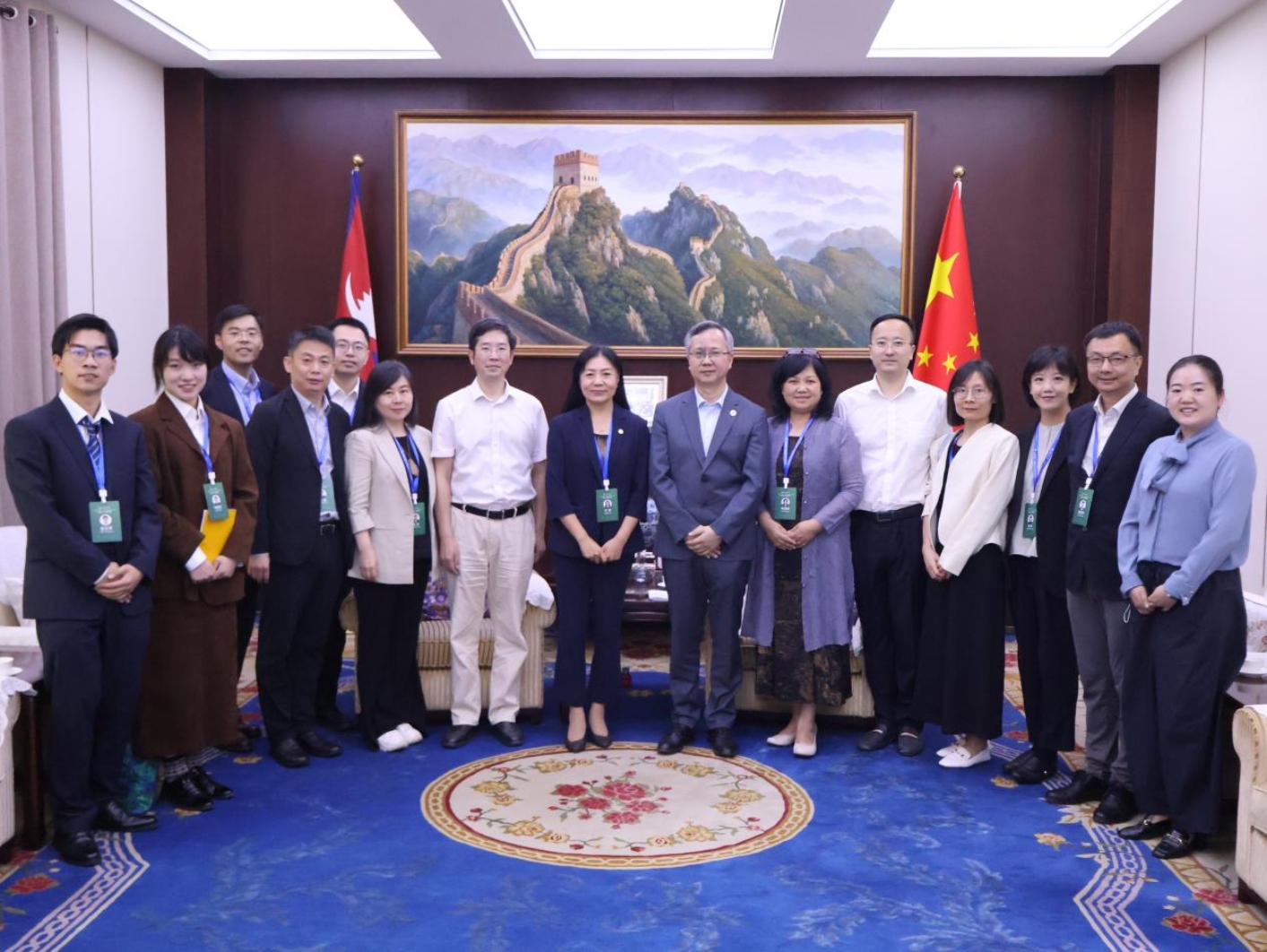
Paying a Visit to the Embassy of the People's Republic of China in Nepal
On August 11, the delegation was received by Ambassador Yao Wen at the Embassy of the People's Republic of China in Bangladesh. Yao Wen spoke highly of Peking University's unique role in people-to-people exchanges between China and Bangladesh, particularly highlighting the significance of conferring an honorary doctorate upon Professor Muhammad Yunus, Nobel Laureate and the Chief Advisor of the interim Government of Bangladesh. He emphasized that China-Bangladesh relations are currently at their best in history, characterized by solid bilateral ties, a profound foundation of public friendship, fruitful educational cooperation, and broad prospects for future collaboration. Ning Qi stated that the deep and friendly relations between China and Bangladesh have laid a solid foundation for in-depth exchanges in the field of education, and affirmed that Peking University would further deepen cooperation with relevant universities in Bangladesh in its future work.
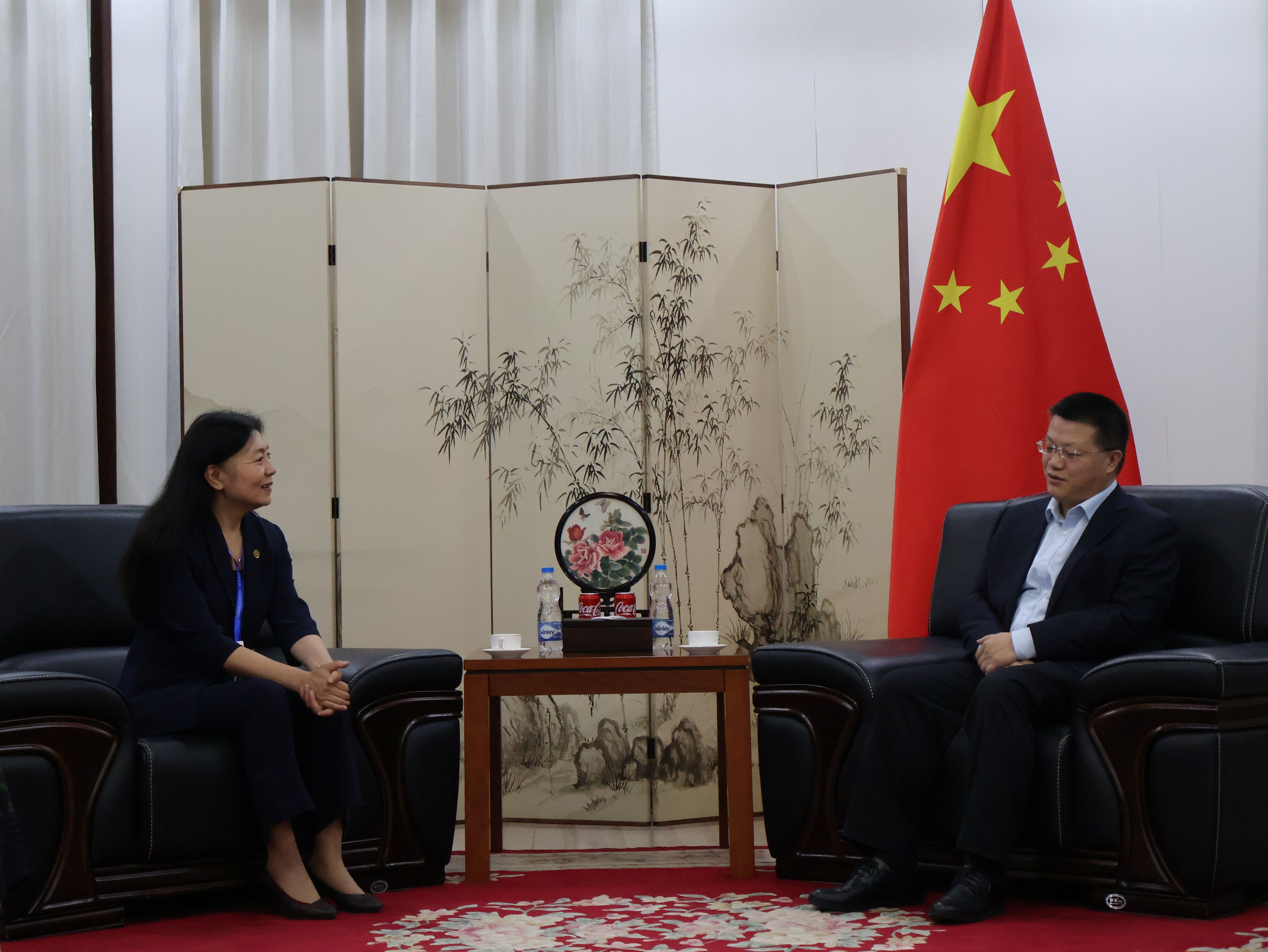
Vice President Ning Qi Meets with Ambassador Yao Wen
On August 12, the Peking University delegation visited the Bangladesh Institute of International and Strategic Studies (BIISS), where both sides engaged in in-depth exchanges on academic cooperation and regional issues. Major General Iftekhar Anis, Director General of BIISS, and Dr. Sufia Khanom, Senior Research Fellow, provided a detailed introduction of the institute's profile and research outcomes, expressing a strong desire to collaborate with Peking University in areas including joint publications, scholar exchanges, and foreign language teaching. Ning Qi indicated that there are broad prospects for cooperation between the two institutions, suggesting that they could organize seminars, roundtables, and forums on topics of mutual interest to further advance academic exchange programs. Professor Li Shujing, CPC Committee Secretary of the School of Foreign Languages at Peking University, reviewed the school's development history, emphasizing the contemporary importance of its language teaching tradition and its transition towards international and regional studies. During the talks, the two sides exchanged views on issues including geopolitics in South Asia and the teaching of South Asian languages at Chinese universities, discussing the challenges and opportunities facing the South Asian region.
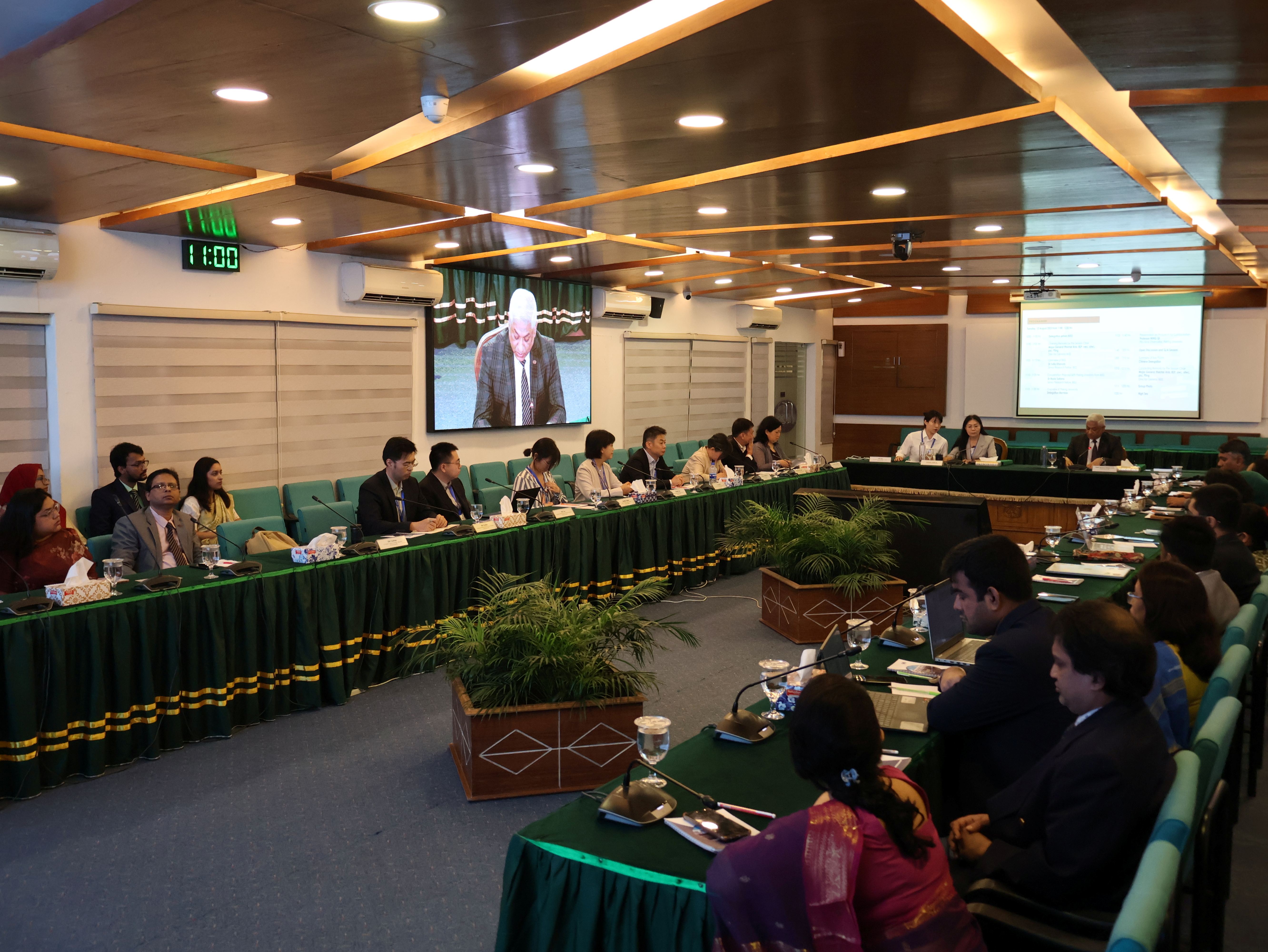
The Symposium at Bangladesh Institute of International and Strategic Studies (BIISS)
Opportunities and Challenges for Chinese Enterprises along the Belt and Road
On the evening of August 8, the delegation conducted a survey at the PowerChina Nepal Office. Taking projects such as the Upper Marsyangdi-A and Tamakoshi-V Hydropower Stations as examples, Chen Xu, Representative of PowerChina in Nepal, provided a detailed introduction to the company's development history since entering the Nepalese market, its core business portfolio, and the main risks and challenges it currently faces. Ning Qi spoke highly of the hard work of the staff at the PowerChina Nepal Office, thanking them for their commitment on the front line overseas and for their contributions to promoting Sino-foreign cooperation and enhancing China's influence abroad. The two sides exchanged views on topics including the feasibility of the China-Nepal railway project, which holds national strategic significance, pathways to optimizing Nepal's business environment, and strategies to overcome the challenges of exporting Nepal's power resources.
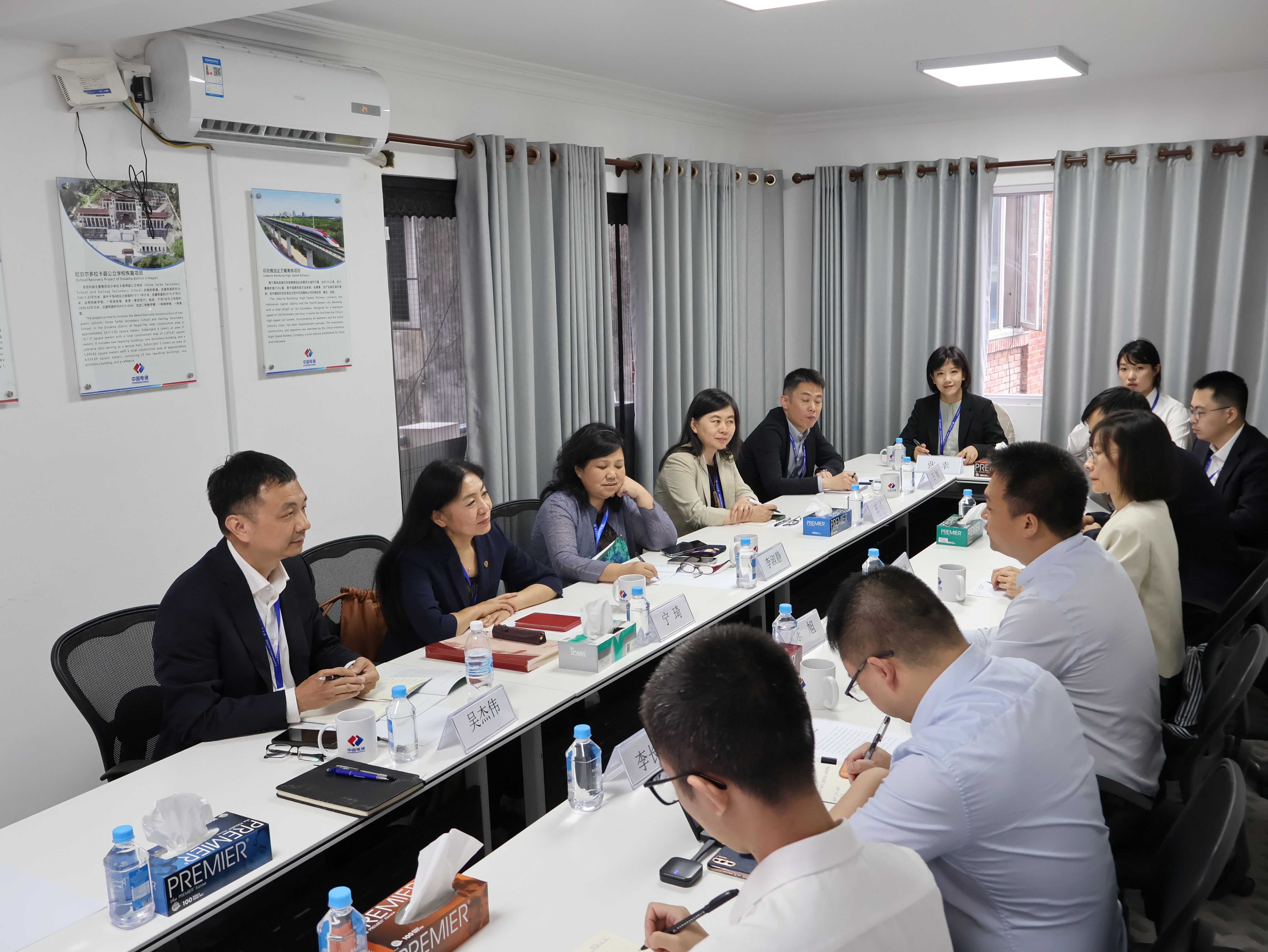
Holding Discussions with the Head of PowerChina's Nepal Representative Office
On the morning of August 9, the delegation visited Himalaya Airlines and Huawei Nepal. Through an introduction by Zhou Enyong, President of Himalaya Airlines, the delegation learned how the airline had achieved steady growth through precise market positioning (cabin refurbishment, operational cost optimization, and route expansion). Huang Jun, Director of Huawei Nepal, along with key team members, presented the company's development history since establishing its presence in Nepal in 1999, comprehensively outlining its business layout, corporate social responsibility projects, and development blueprint. Subsequently, the two teams held in-depth discussions on topics including Nepal's digital business environment, bottlenecks in telecommunications infrastructure construction, and a comparison of labor conditions across South Asian countries, further deepening the delegation's understanding of the development of technology enterprises in the South Asian region.
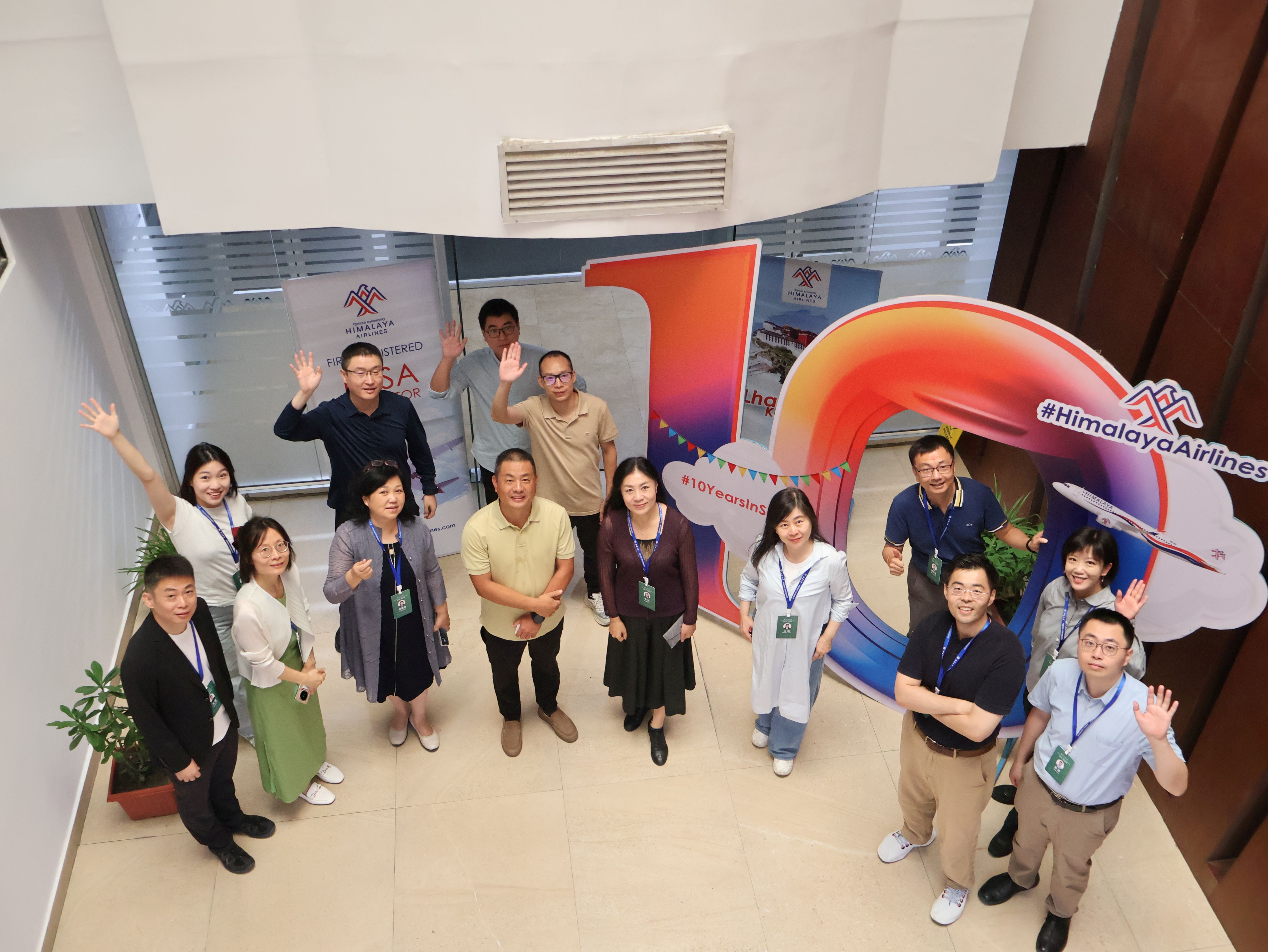
Visiting Himalaya Airlines
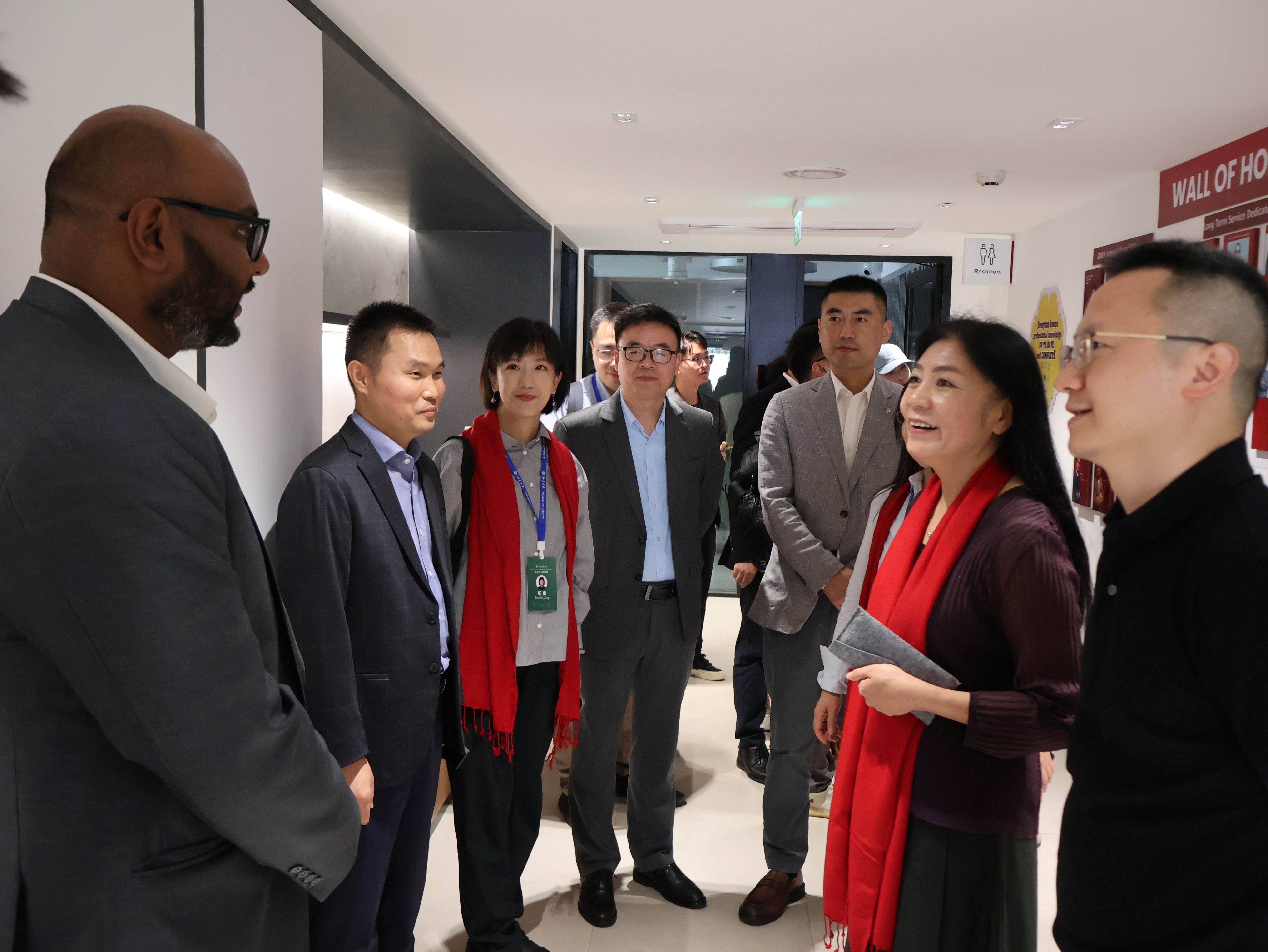
Exchanging Views with Local Employees of Huawei Nepal
On August 12, the delegation held a symposium at the Chinese Enterprises Association in Bangladesh (CEAB), with representatives from such companies as PowerChina, China Road and Bridge Corporation, Jiangsu Guotai International Group, China Civil Engineering Construction Corporation, SPIC, ZTE and etc.. The enterprises shared their development histories, current operations, and future plans in Bangladesh, unanimously expressing their strong confidence in the Bangladeshi market and stating their intention to strengthen their local presence to contribute to the Belt and Road Initiative.
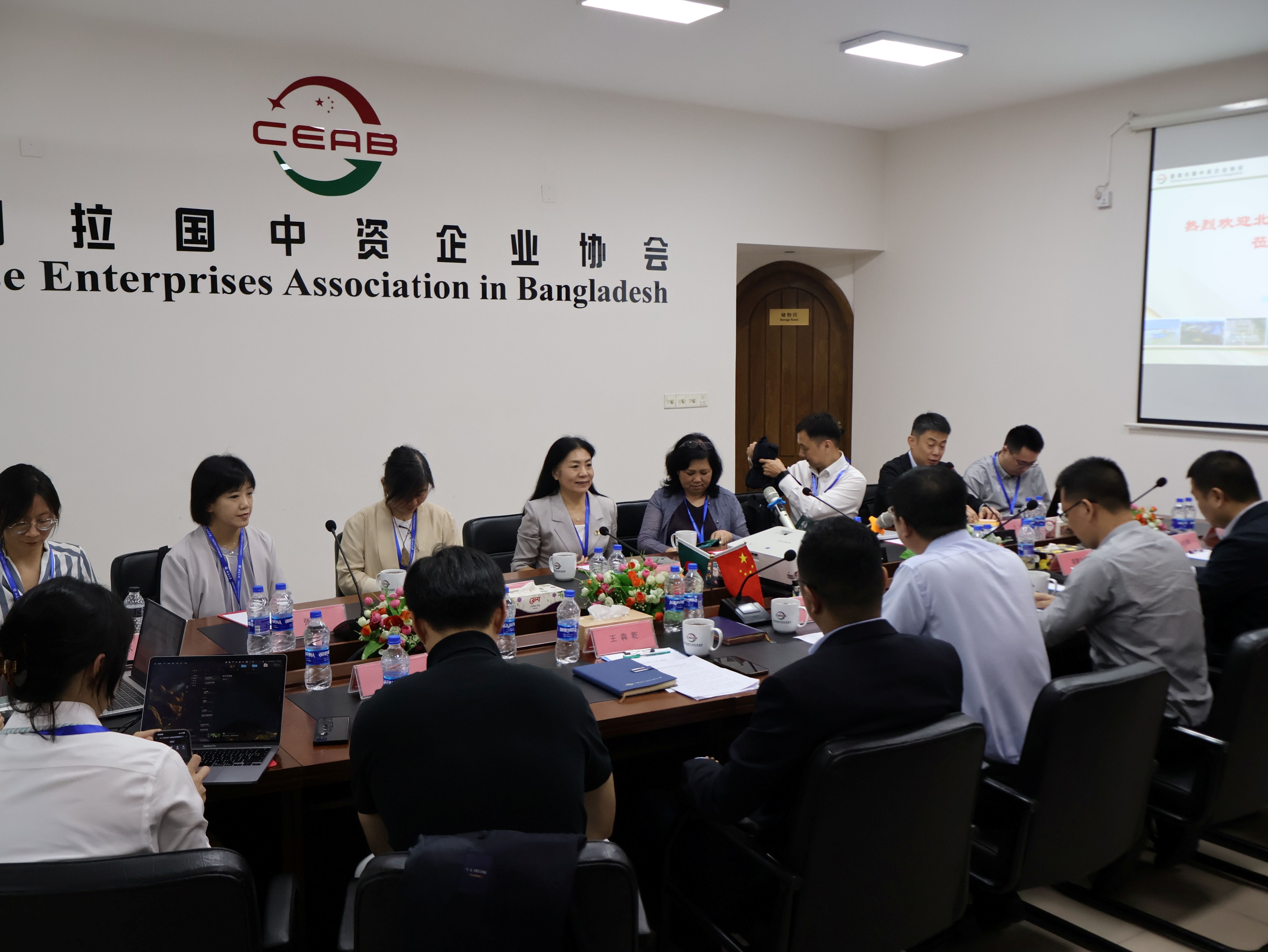
Conducting a Symposium with Representatives from the Chinese Enterprises Association in Bangladesh (CEAB)
On August 13, the delegation conducted a site visit to the Dasherkandi Sewage Treatment Plant in Bangladesh. Through the site visit and discussions, the delegates gained a comprehensive understanding of this project, which is constructed by a Chinese enterprise and is the largest sewage treatment facility in South Asia. With a daily treatment capacity of 500,000 tons, the plant addresses the sewage treatment needs of approximately one-quarter of Dhaka's residents, significantly improving the city's water quality and serving as a model for China-Bangladesh environmental cooperation.
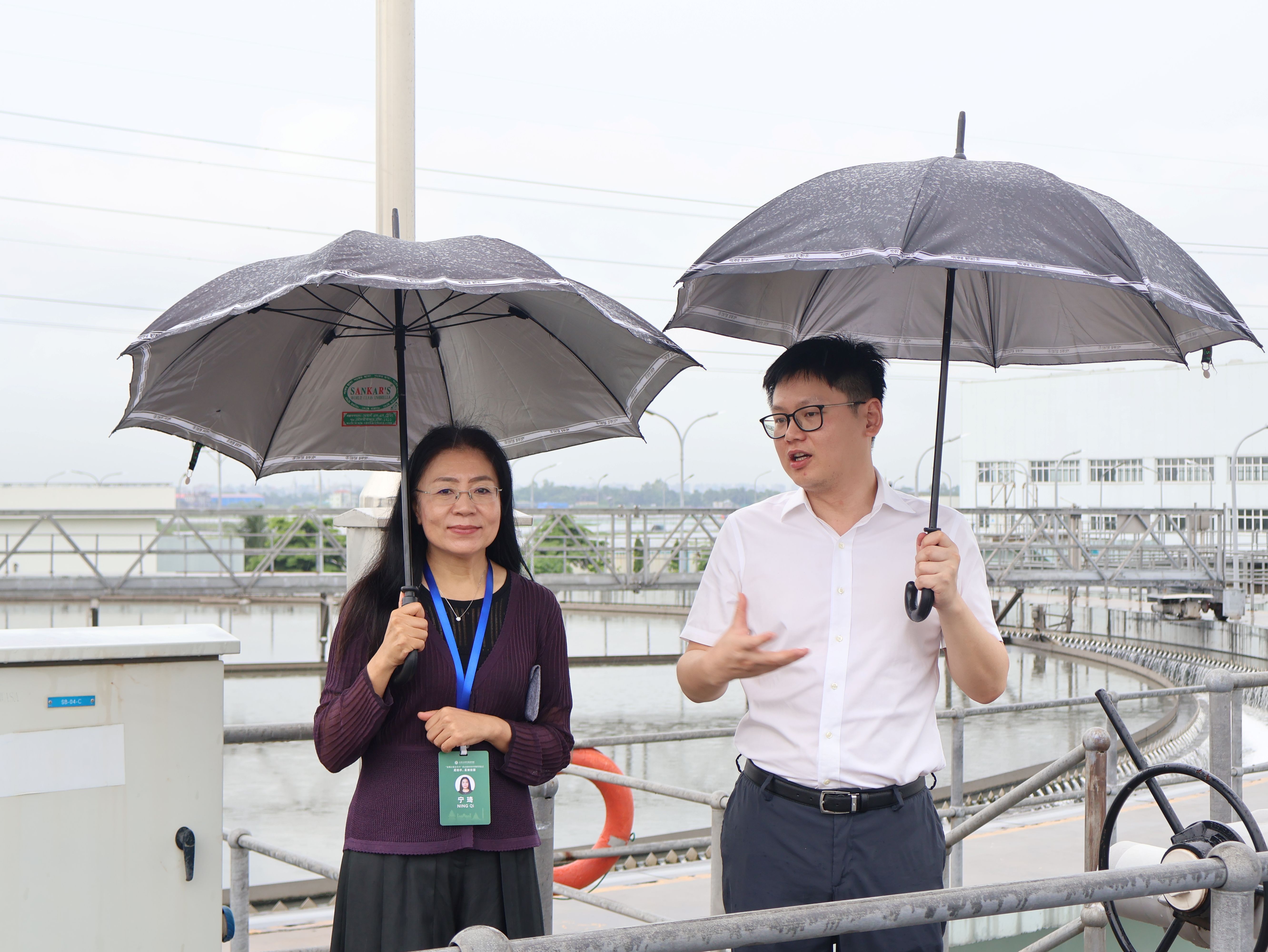
Visiting the Dasherkandi Sewage Treatment Plant
On the morning of August 14, the delegation visited the Huawei South Asia Representative Office. Lin Hai, Vice President of the office, presented Huawei's development strategy and achievements in the South Asia region to the delegation. The employee localization rate at Huawei in South Asia exceeds 85%, and it collaborates with over 300 partners and universities such as the University of Dhaka in Bangladesh, on initiatives like ICT Academies and technical training courses. Ning Qi noted that through field visits to Huawei offices in various countries, the delegation observed that despite varying policy environments and cultural contexts, Huawei's adaptability and innovative spirit are impressive, making it truly deserving the title "Business Card for China."
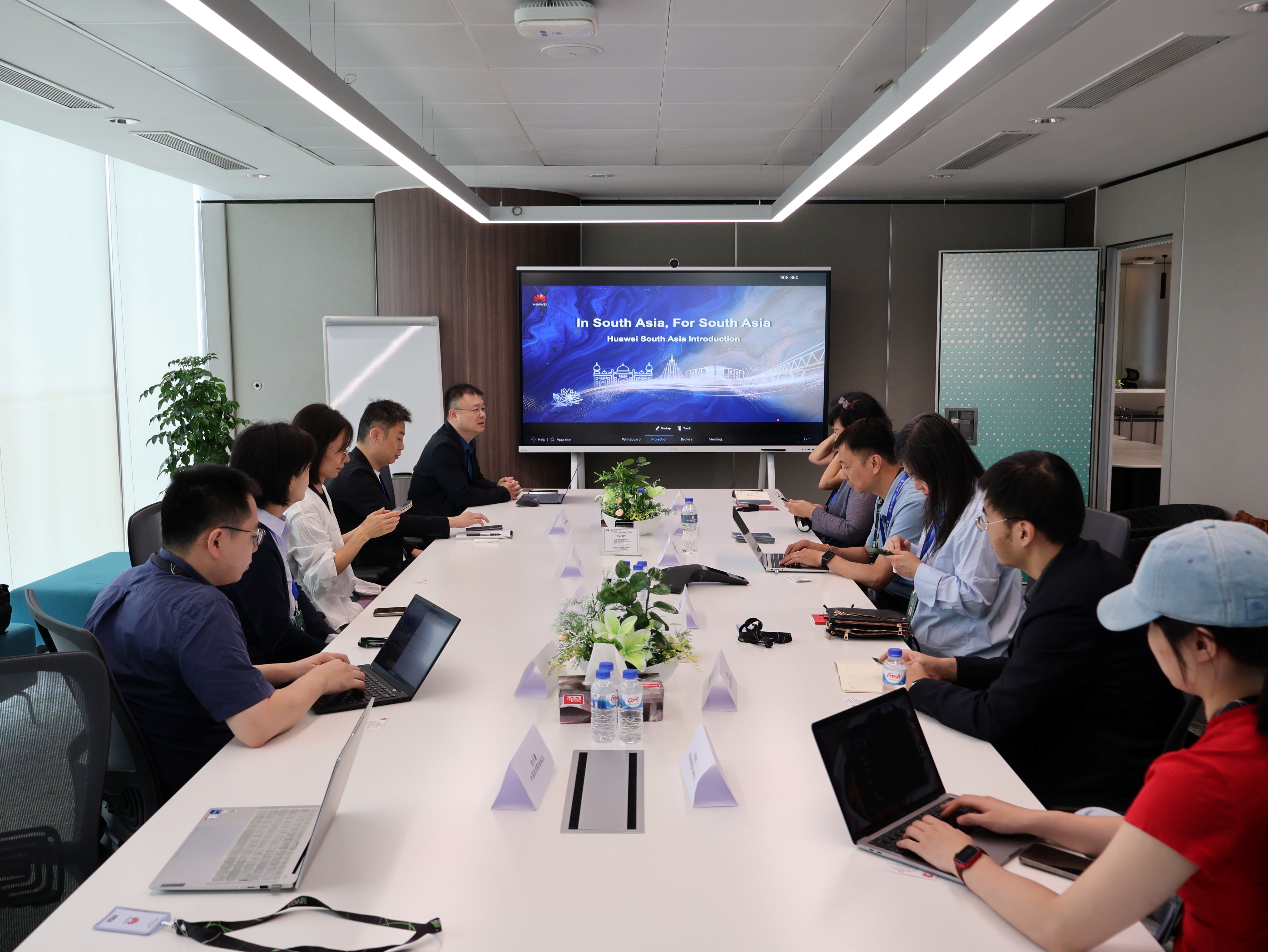
Holding Talks at the Huawei South Asia Representative Office
The delegation also visited the Padma Bridge, renowned as the "Bridge of Dreams," and conducted a site visit to the Padma Bridge Project Department of the China Railway Major Bridge Engineering Group Co., Ltd. in Bangladesh, gaining a tangible sense of the dedication and spirit of Chinese builders who overcome difficulties and persevere overseas. This river-crossing bridge, constructed by Chinese enterprises, spans 6.15 kilometers and is the largest infrastructure project in Bangladesh. The project team overcame challenging natural conditions such as high temperatures, heavy rain, cyclones, dense fog, floods, lightning strikes, and quicksand to achieve high-quality construction, demonstrating the exceptional project management capabilities and sound commercial reputation of Chinese enterprises.
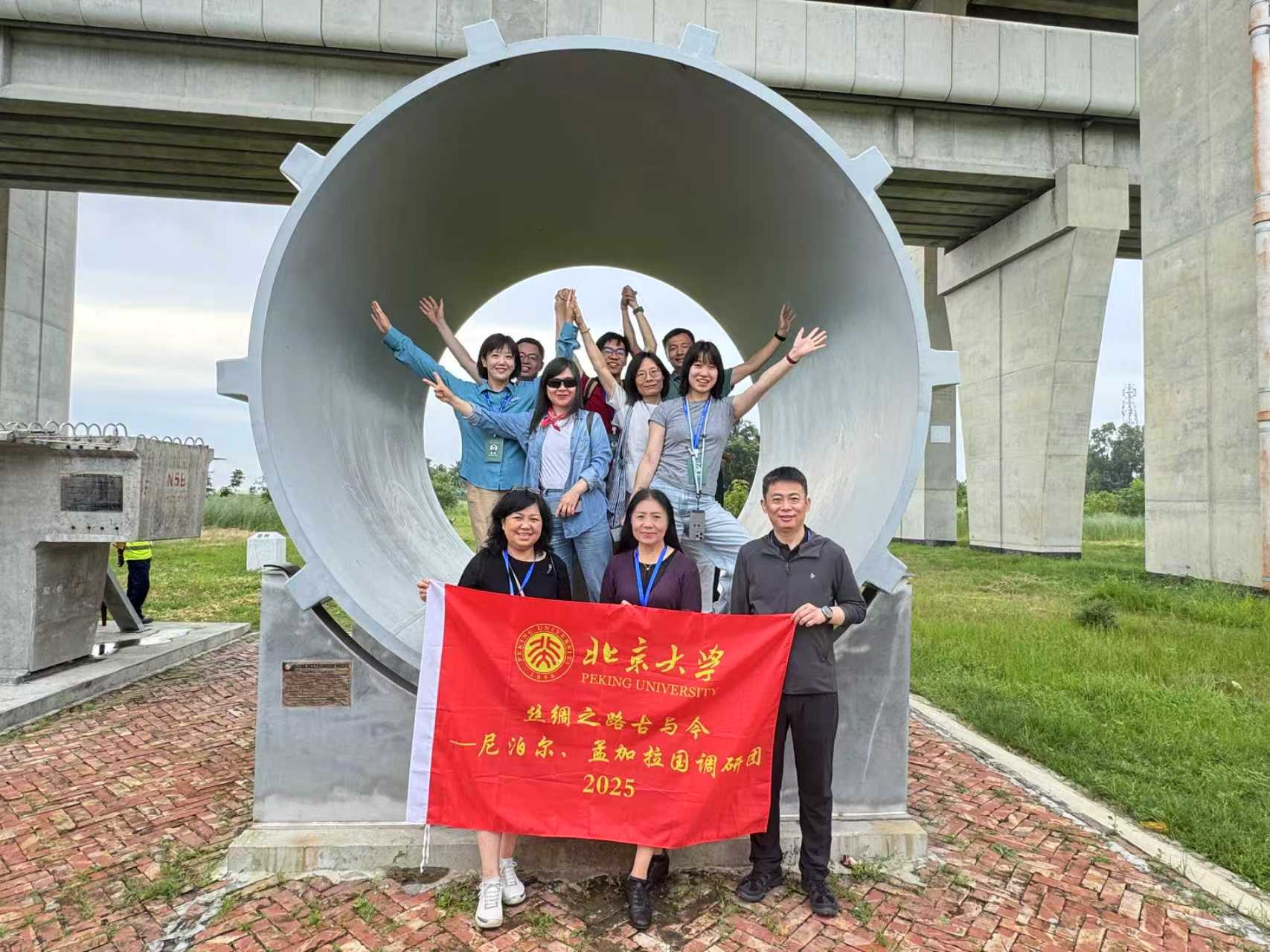
Visiting the Padma Bridge
People-to-People Exchanges between China and Nepal/Bangladesh
On the morning of August 10, the delegation jointly organized an academic conference with Tribhuvan University in Nepal, titled "Cooperation Bridging Himalayas: Peking University-Tribhuvan University Dialogue." Professor Deepak Aryal, Vice-Chancellor of Tribhuvan University, praised Peking University's significant role in international academic cooperation and expressed a strong desire to establish a closer and more comprehensive partnership with PKU. Ning Qi stated that Peking University is willing to collaborate with Nepalese research institutions to deepen and expand higher education cooperation, thereby contributing more fruitful outcomes to China-Nepal people-to-people exchanges. Professor Wang Xu delivered a report titled "Demonstrating China's Responsibility: Promoting High-Quality Cooperation in the Trans-Himalayan Region under New Circumstances," elaborating on China's role in advancing such cooperation. Professor Wu Jiewei presented a report titled "Solidifying the Foundation, Connecting the People: China-Nepal Cooperation in Aid, Tourism, and Education," focusing on practical cooperation between China and Nepal in these areas and emphasizing the importance of building a solid foundation and fostering people-to-people ties. Scholars from both sides engaged in in-depth discussions on student exchanges, joint research, language teaching, and cultural exchanges between Chinese and Nepalese universities.
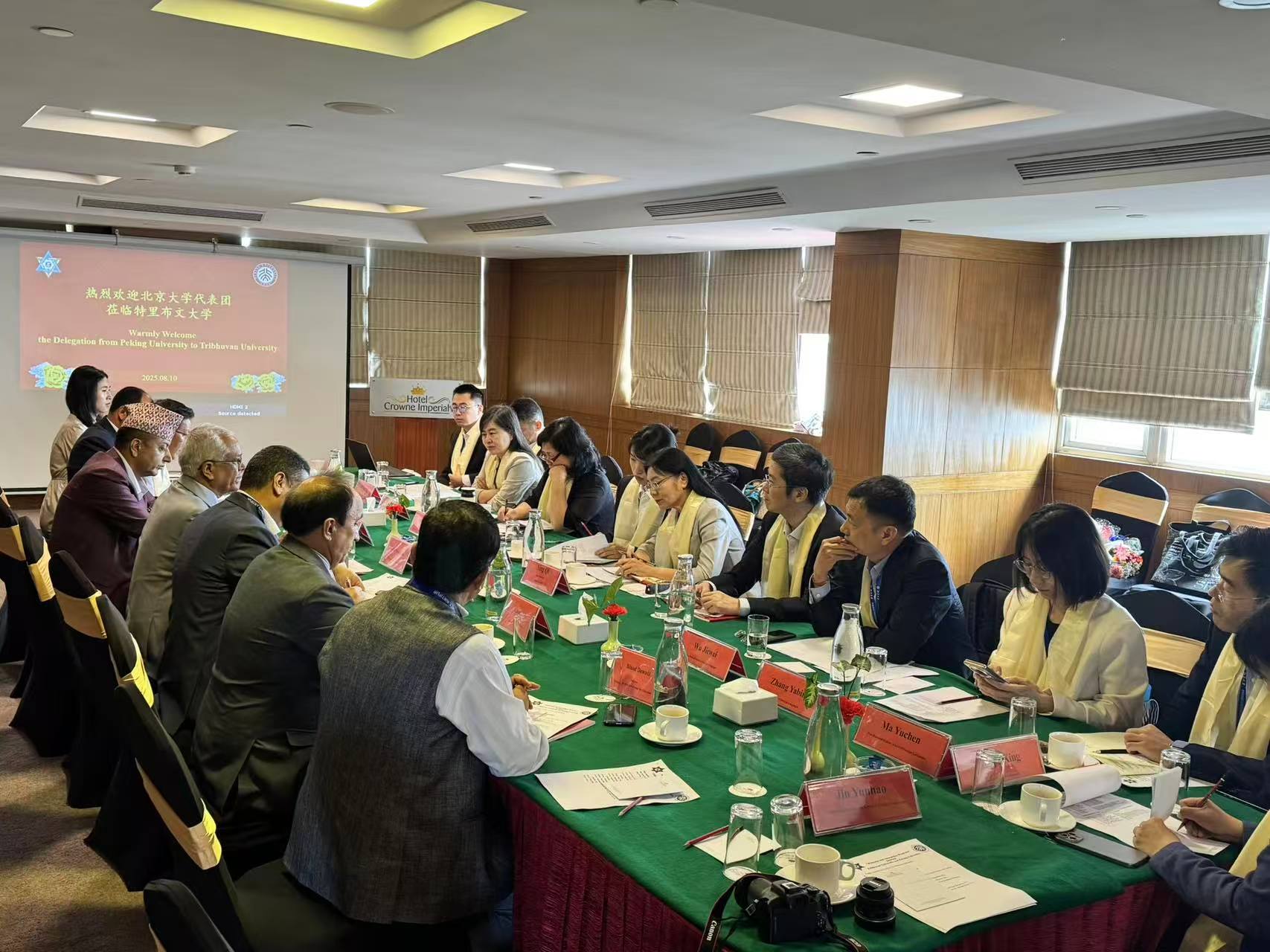
Academic Dialogue with Professors from Tribhuvan University
On the morning of August 11, the delegation visited Dhaka University in Bangladesh and jointly held a seminar titled "Higher Education and BRI Cooperation in the Digital-Intelligence Era: Peking University-Dhaka University Dialogue." Wang Xu presented "People-Centered Economic Development and National Security: Insights from China's Experience for Bangladesh," while Wu Jiewei shared a report entitled "A Comparative Study of Labor Dynamics in the Era of Globalization: Cases from Bangladesh, Vietnam, and the Philippines." The academic atmosphere was vibrant, with participating scholars engaging in in-depth discussions on relevant topics.
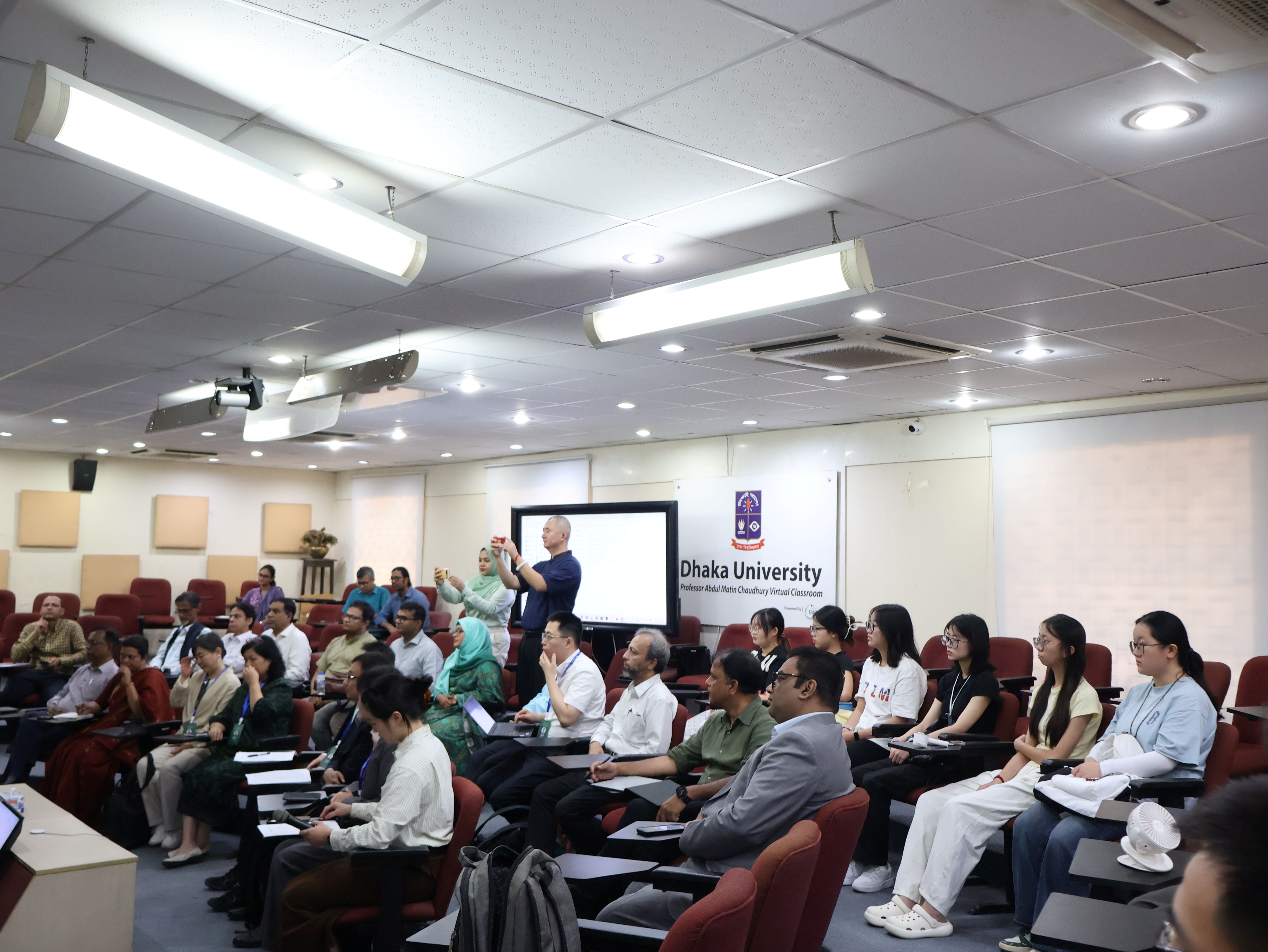
Academic Seminar at Dhaka University
Subsequently, the delegation met with Professor Niaz Ahmed Khan, Vice-Chancellor of Dhaka University. Both sides reviewed the traditional friendship between the two countries and reached a consensus on deepening higher education cooperation, focusing on exploring prospects for collaboration in areas such as the digital economy and talent development. This visit opened new pathways for practical cooperation between the two universities under the Belt and Road framework, which will further enhance the level of educational exchanges between China and Bangladesh.
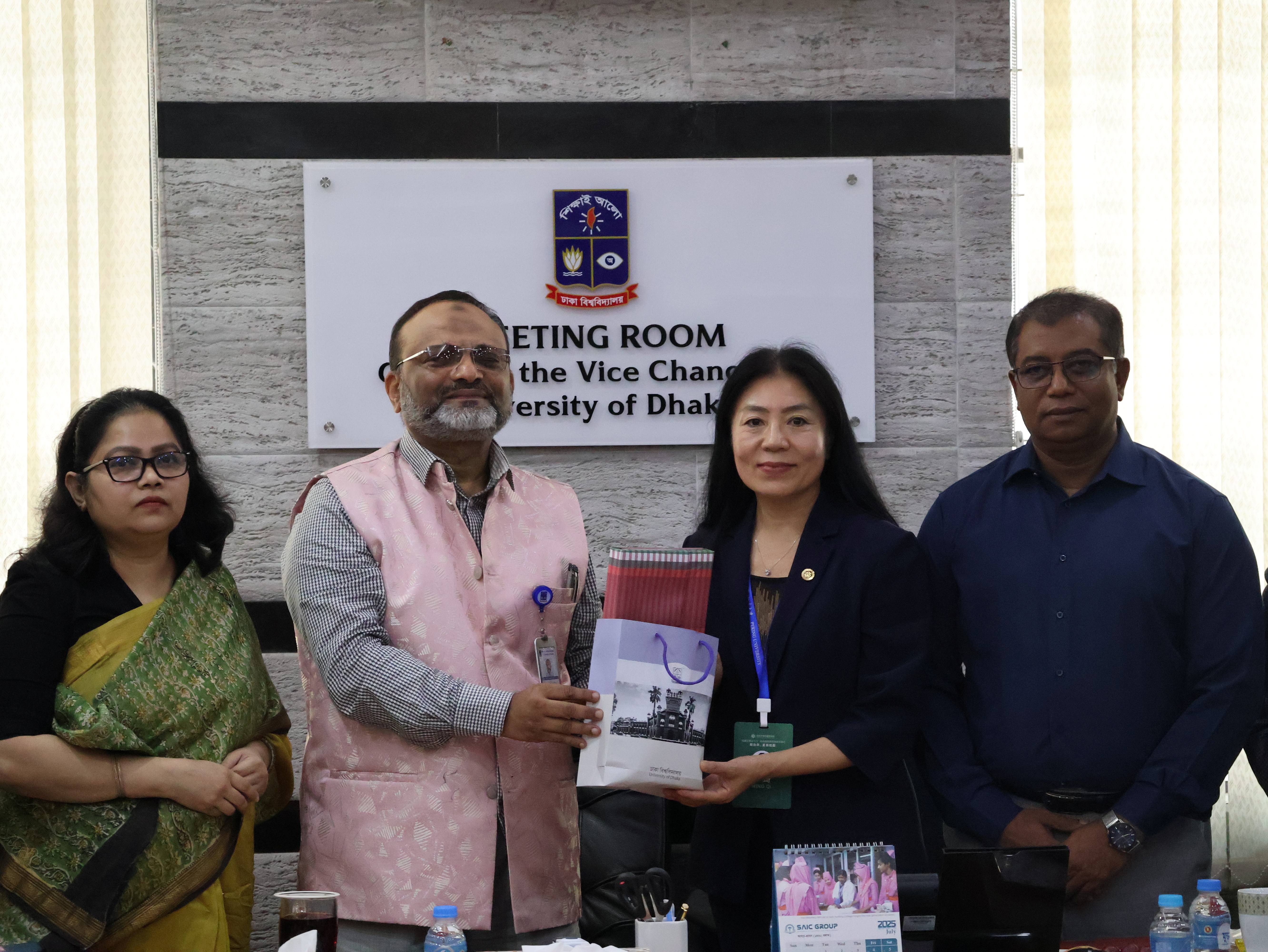
Photo with Dhaka University Leadership
The delegation also engaged in discussions with scholars from North South University in Bangladesh, with Professor Abdul Hannan Chowdhury, Vice-Chancellor of the university, in attendance. Vice-Chancellor Chowdhury had previously visited Peking University in March this year as a member of the delegation accompanying Professor Muhammad Yunus, the Chief Advisor of the interim Government of Bangladesh. During the talks, both sides explored several potential areas of cooperation, including student exchanges, young faculty members pursuing PhD studies in China, and collaboration on the establishment of artificial intelligence and robotics laboratories.
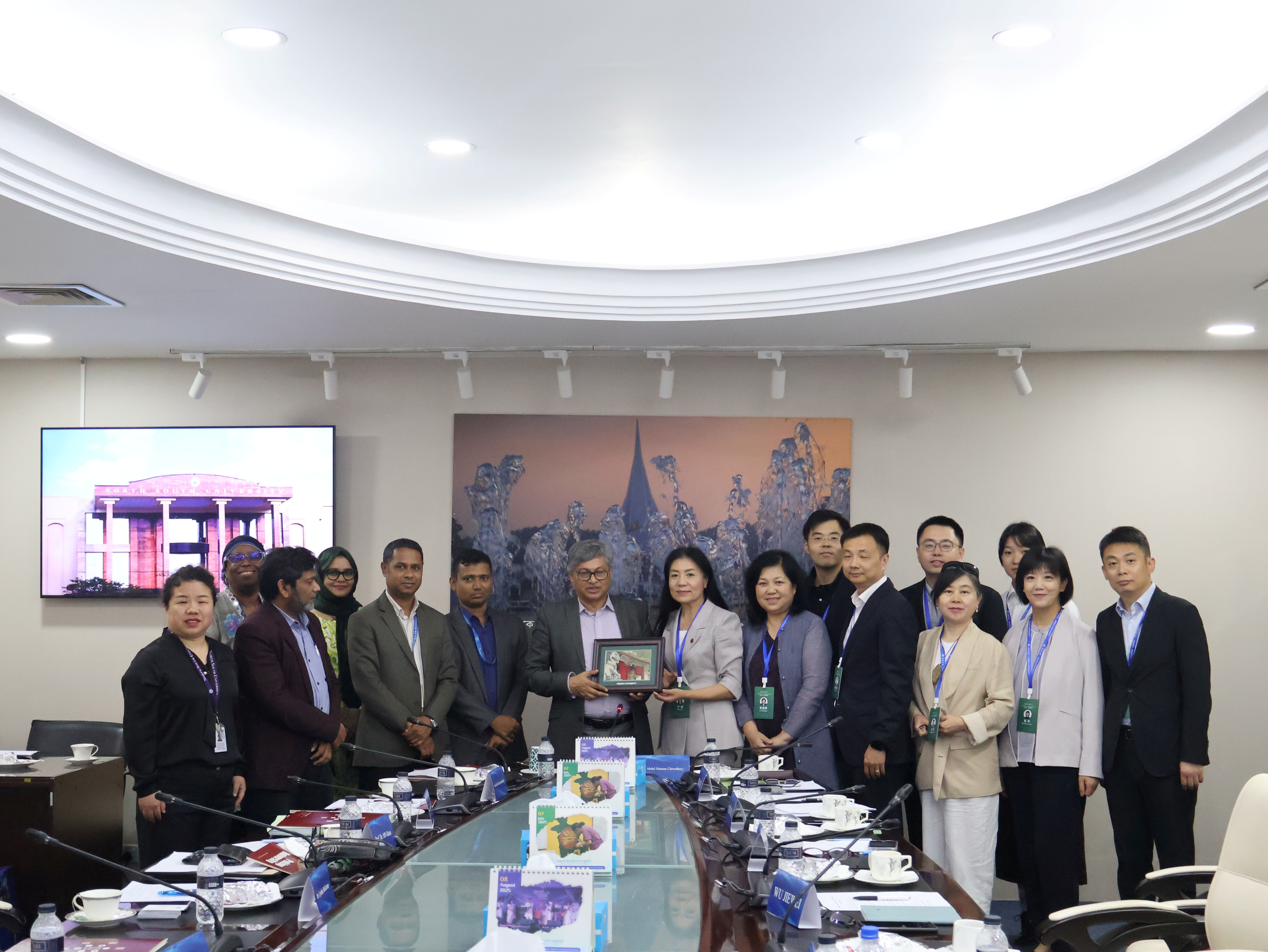
Group Photo with North South University Leadership and Professors
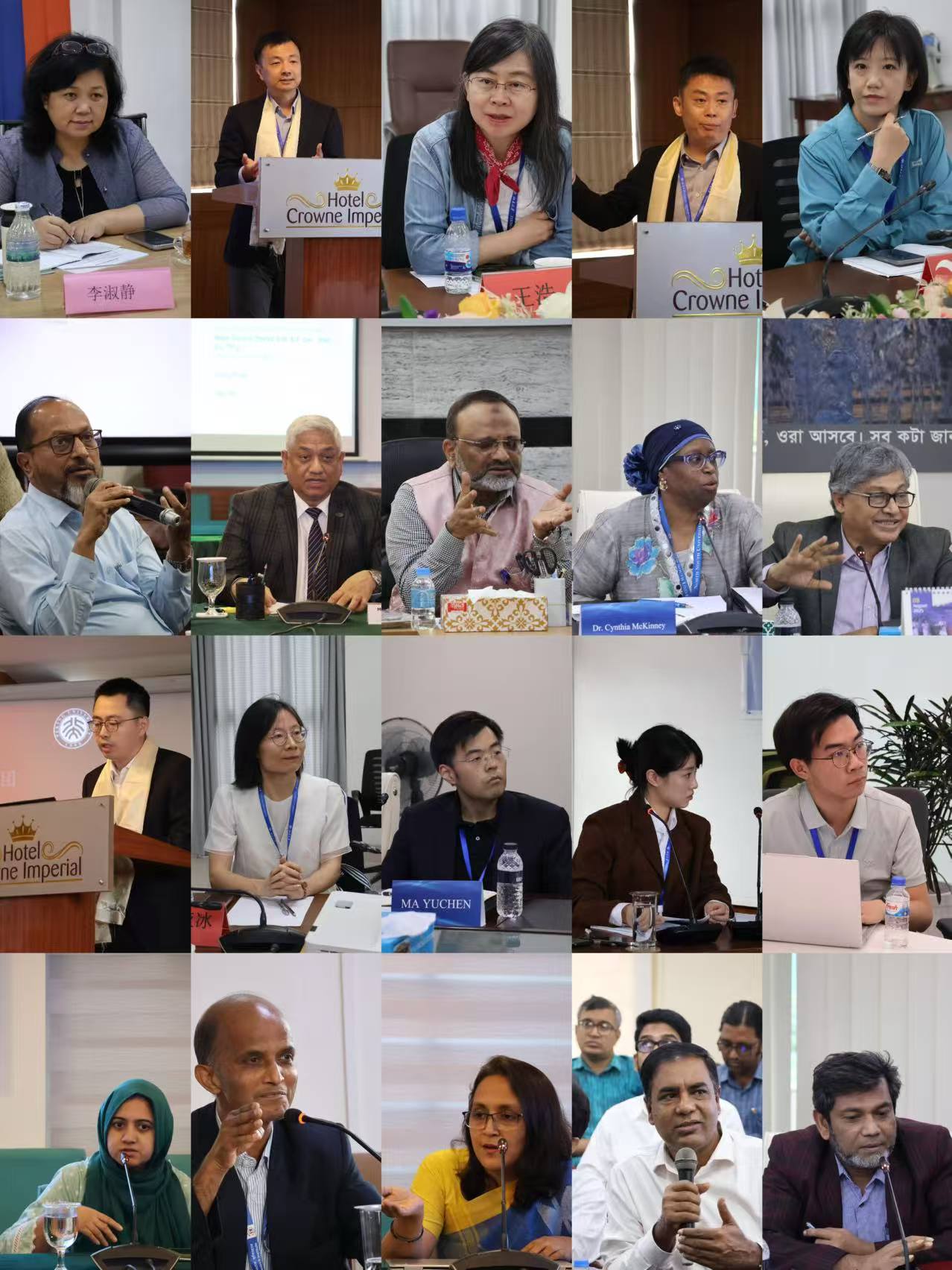
On-site Photos of Meetings and Speeches During the Field Research

Photos from Various Exchanges
The "Silk Roads: Past and Present" Research Project on Neighboring Countries is an innovative academic practice platform developed by Peking University to meet the development needs of the new era by integrating its superior resources, which organically combines multiple functions including academic research, think tank services, international exchanges, ideological and political education, and talent development. By organizing interdisciplinary research teams to conduct in-depth studies in countries along the Belt and Road, the project’s three research themes—mutually reinforcing and organically unified—address diplomatic practices at the macro strategic level, enterprise development at the meso level, and people-to-people exchanges at the micro level. Together, these themes form a systematic and comprehensive framework for international and regional studies. The project is committed to providing academically rigorous and practically relevant references for China’s peripheral diplomacy in the new era, offering solid academic and intellectual support to meet national strategic needs.
Text and Images | Cen Siyi, Jin Yunhao
Translated by Zhou Junxia